
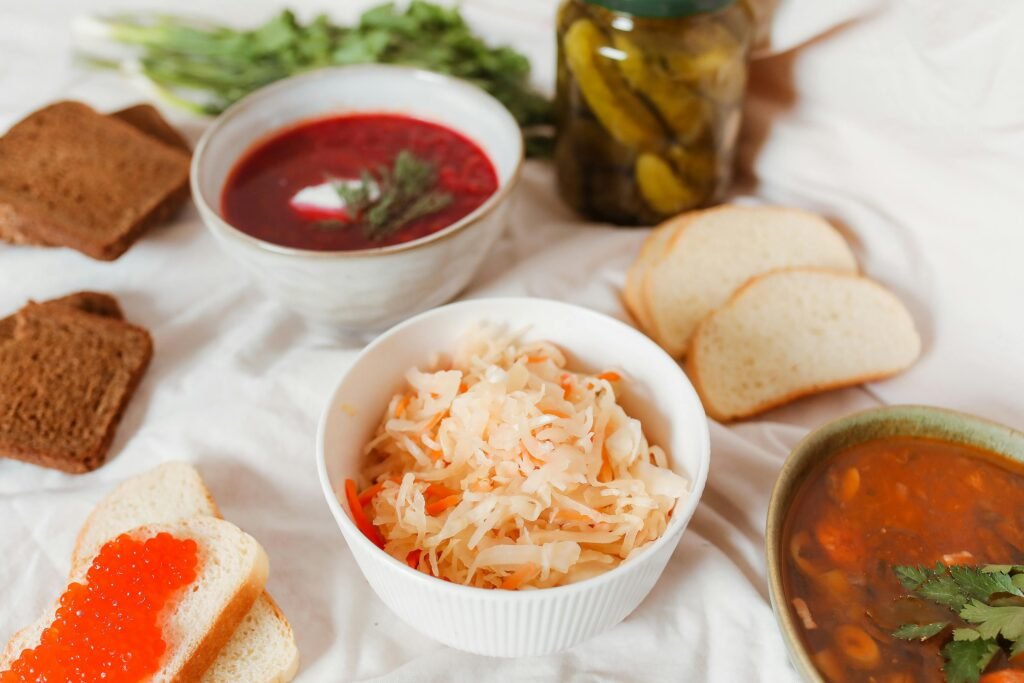
Long before probiotics came in capsules, cultures around the world were fermenting foods as a way to preserve nourishment through the seasons. Kimchi in Korea, sauerkraut in Germany, kefir in the Caucasus, miso in Japan — these traditions were not just culinary. They were medicinal. And modern science is now catching up to what generations of intuitive cooks already knew: fermented foods are among the most powerful allies your gut will ever have.
A landmark Stanford study found that a diet rich in fermented foods increased microbiome diversity and reduced markers of inflammation in as little as ten weeks. That is remarkable — not a supplement, not a medication, but real food doing quiet, transformative work inside your body.
If you are new to fermented foods or looking to deepen your relationship with them, here are five that deserve a place in your kitchen.
1. Yogurt — The Gentle Gateway
Yogurt is often the first fermented food people reach for, and for good reason. It is mild, versatile, and widely available. The live cultures in yogurt — primarily Lactobacillus and Bifidobacterium strains — help maintain a healthy balance of bacteria in your digestive tract.
But not all yogurt is created equal. Look for containers that say “live and active cultures” on the label, and choose plain, unsweetened varieties when you can. Flavored yogurts often contain more sugar than your gut bacteria would appreciate. Instead, sweeten your own with fresh berries, a drizzle of raw honey, or a sprinkle of cinnamon.
Simple way to enjoy it: Layer plain yogurt with overnight oats, sliced banana, and a spoonful of chia seeds for a gut-nourishing breakfast that takes two minutes to assemble the night before.
2. Kimchi — A Living, Breathing Ecosystem
Kimchi is more than spicy fermented cabbage. It is a complex, living ecosystem of beneficial bacteria, vitamins, and fiber. Traditional kimchi contains dozens of strains of Lactobacillus, along with vitamins A, B, and C, and powerful antioxidants from its signature blend of garlic, ginger, and chili.
Research suggests that regular kimchi consumption can improve digestive function, support immune health, and even help regulate cholesterol levels. The fermentation process also makes the nutrients in the vegetables more bioavailable — meaning your body can absorb them more efficiently.
Simple way to enjoy it: Add a small side of kimchi to scrambled eggs in the morning, or tuck it into a grain bowl with rice, avocado, and a soft-boiled egg for a deeply satisfying lunch.
3. Kefir — Yogurt’s More Diverse Cousin
If yogurt is a gentle introduction, kefir is the next chapter. This tangy, pourable fermented milk contains up to 61 different strains of bacteria and yeasts — far more than most yogurts. That diversity is significant, because a varied microbiome is generally a healthier one.
Kefir is also naturally lower in lactose than regular milk, because the fermentation process breaks down much of the lactose. Many people who struggle with dairy find that kefir sits more comfortably in their stomachs. It is rich in calcium, protein, and B vitamins, making it a nutritional powerhouse in a single glass.
Simple way to enjoy it: Blend kefir into a morning smoothie with frozen mango, a handful of spinach, and a tablespoon of ground flaxseed. The tang pairs beautifully with tropical fruit.
4. Sauerkraut — The Humble Healer
Sauerkraut is nothing more than cabbage and salt, transformed by time and beneficial bacteria into something extraordinary. Raw, unpasteurized sauerkraut is teeming with Lactobacillus plantarum and other strains that support digestion and immune function.
The key word here is raw. The sauerkraut you find on hot dogs at a stadium has been pasteurized — the heat kills the beneficial bacteria. Look for refrigerated sauerkraut in glass jars, usually found in the health food section of your grocery store. The ingredient list should be short: cabbage, salt, and perhaps a few spices.
Simple way to enjoy it: Pile a generous forkful alongside roasted chicken and sweet potatoes, or add it to a warm grain bowl just before serving. The slight crunch and tang brighten everything it touches.
5. Miso — Umami With Intention
Miso is a fermented paste made from soybeans, salt, and a starter culture called koji. It has been a cornerstone of Japanese cuisine for centuries, and its deep, savory umami flavor adds warmth and complexity to everything it touches.
Beyond flavor, miso is a source of probiotics, enzymes, and essential amino acids. Studies have linked regular miso consumption to improved digestive health, reduced risk of certain cancers, and better cardiovascular outcomes. White miso is milder and fermented for a shorter time, while red miso is bolder and more deeply fermented.
Simple way to enjoy it: Dissolve a tablespoon of white miso into warm (not boiling) water with a few slices of green onion and a handful of soft tofu for a five-minute soup that soothes and nourishes. The key is keeping the water below boiling to preserve the live cultures.
How to Start Adding Fermented Foods to Your Diet
If fermented foods are new to your routine, start gently. Your gut microbiome needs time to adjust to the influx of new bacteria, and eating too much too quickly can cause temporary bloating or gas.
Begin with one to two tablespoons of a single fermented food per day. After a week, if your body feels comfortable, gradually increase the amount or introduce a second variety. Diversity is the goal — not volume. A little kimchi at lunch, a splash of kefir in your smoothie, a side of sauerkraut at dinner. Small, consistent additions create lasting change.
Listen to your body throughout the process. Gut healing is deeply personal, and what works beautifully for one person may need adjustment for another. There is no rush. Nourishment is a practice, not a race.
The Quiet Power of Fermentation
There is something poetic about fermented foods. They ask for patience. They transform through time. And they remind us that some of the most healing things in life happen slowly, quietly, without fanfare.
Your gut is an ecosystem — vast, complex, and remarkably responsive to the care you give it. Fermented foods are one of the simplest and most beautiful ways to tend that ecosystem. Start with one jar, one spoonful, one meal. And let the transformation unfold from the inside out.
This content is for educational purposes and is not a substitute for professional medical advice. Always consult your healthcare provider before making significant changes to your diet, especially if you have existing digestive conditions.